




 Fast delivery
.png) Rating 4.8/5
Rating 4.8/5
 Fair prices
| | |
| Fast delivery | Rating 4.8/5 | Fair prices |


 0
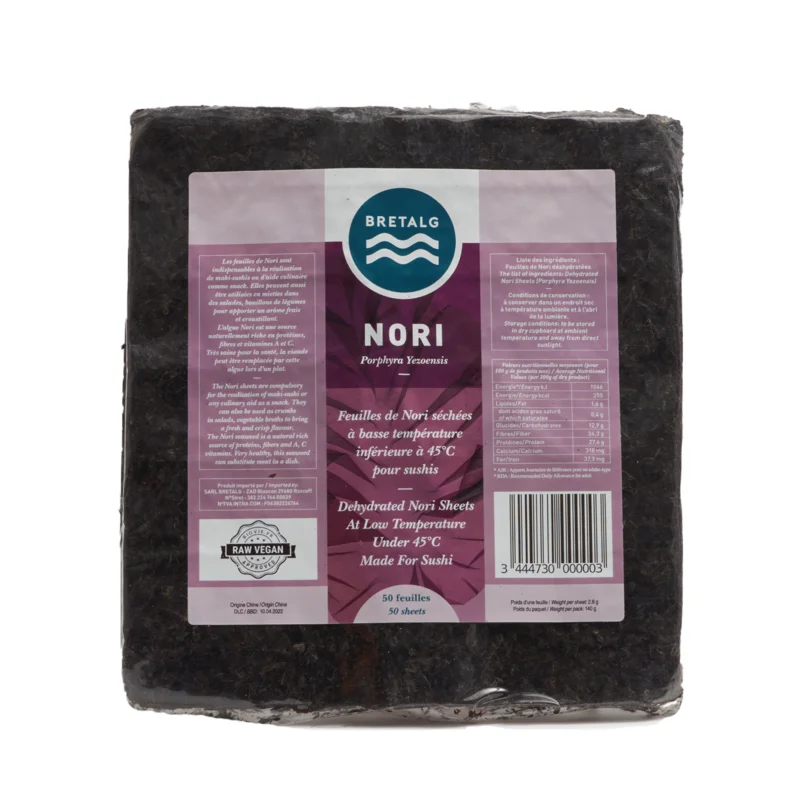
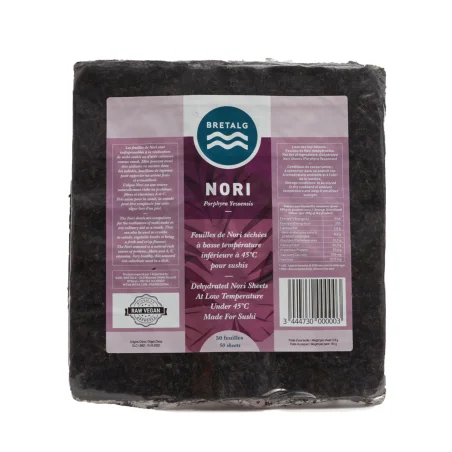
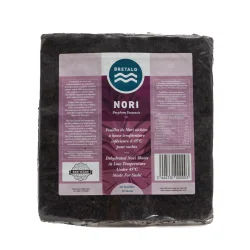
0 Nori seaweed sheets, pack of 50 sheets
🌿 Perfect for sushi/makis or for the tartares. The quality of these nori sheets is exceptional, and the taste of these seaweeds surpasses anything that can be found in regular or organic stores. Dehydrated at low temperatures, they retain all the flavor and benefits of fresh seaweed, with added crispiness and convenience.
🌿 Find a delicious recipe on our blog vegan makis ! !
🌿 Also find our various books dedicated to algae:
- Seaweed in everyday life A book by Aurélie and Eric Viard, published by Editions Galilimard, to help you better utilize the benefits of seaweed in your diet! Voted the best cookbook in the world at the Gourmand Awards 2025 (Seafood category) & Named the best wellness cookbook of 2025 in France by the National Academy of Cuisine.
- Cooking with seaweed a book and recipe journal co-written with BRETALG, at Éditions Marie-Claire, containing 80 recipes to make you love seaweed !
🌿 And below a recipe extracted from our Ebook "Living Cuisine for Optimal Health" :
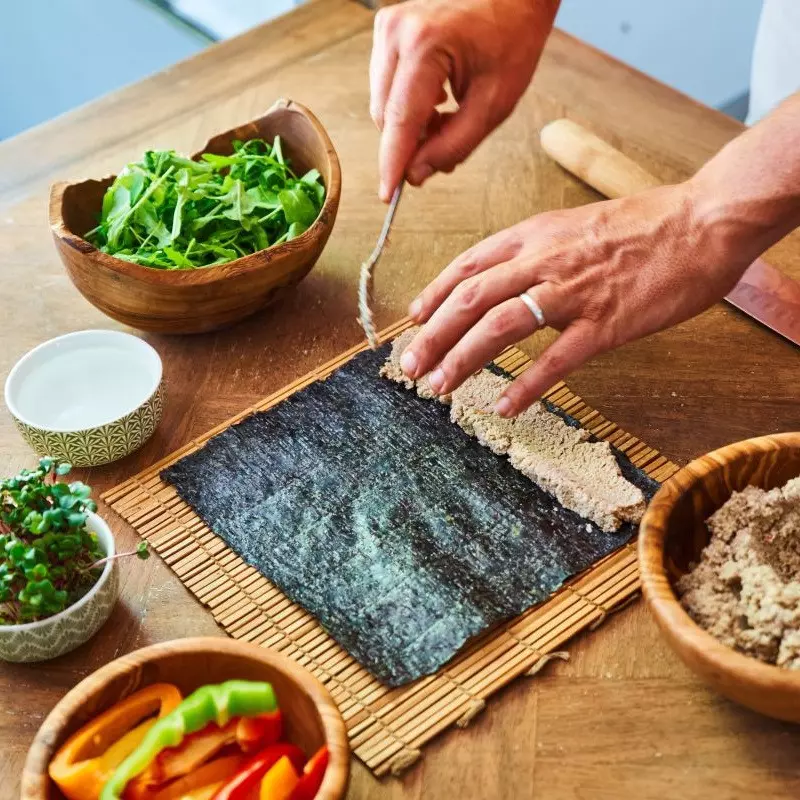
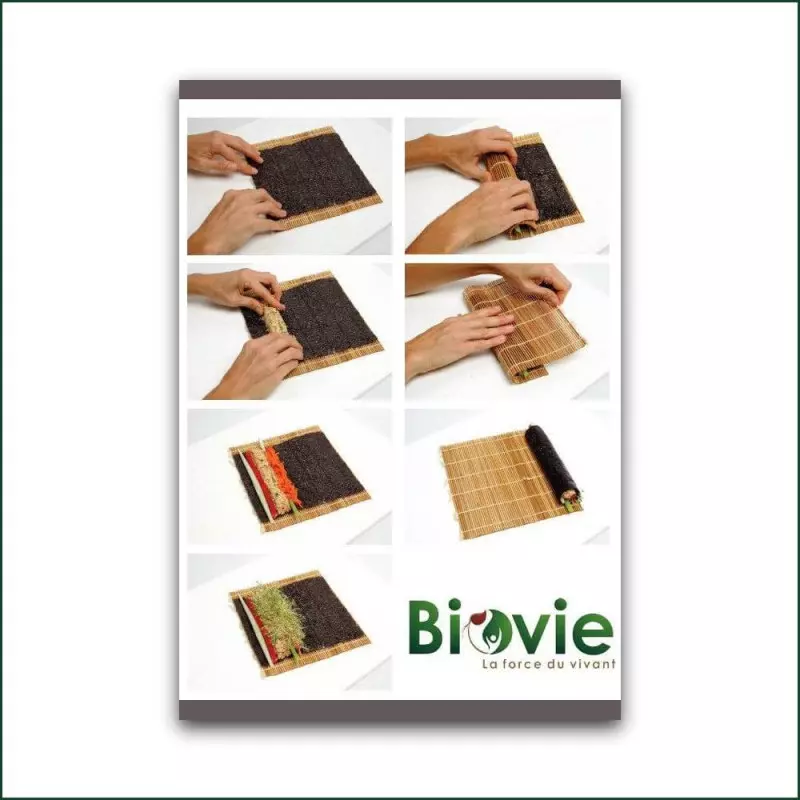
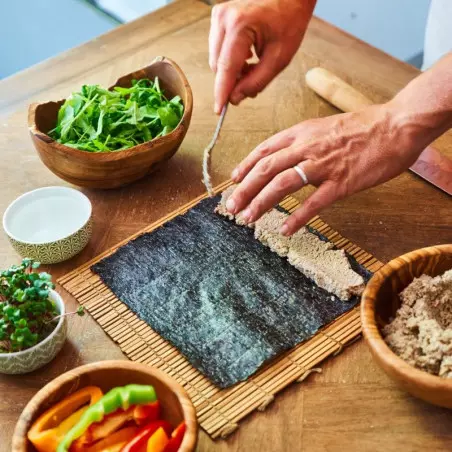
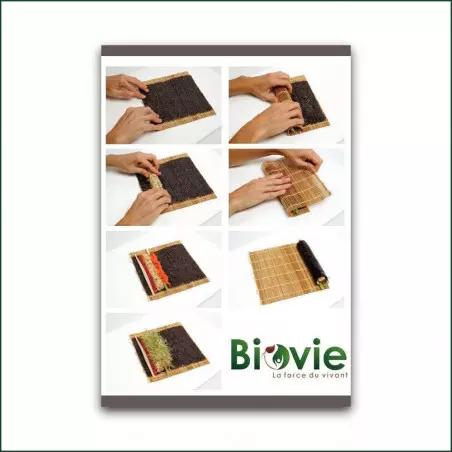
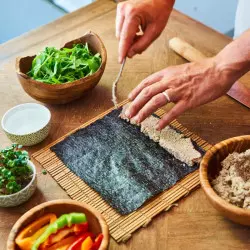
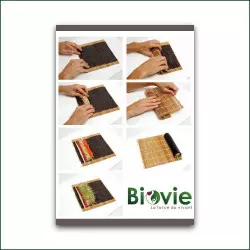
A small bamboo sushi mat is very practical, although not essential. Place the sushi mat on a flat surface. Align the edge of a nori sheet with the edge of the sushi mat closest to you. You will roll the sushi starting from this edge.
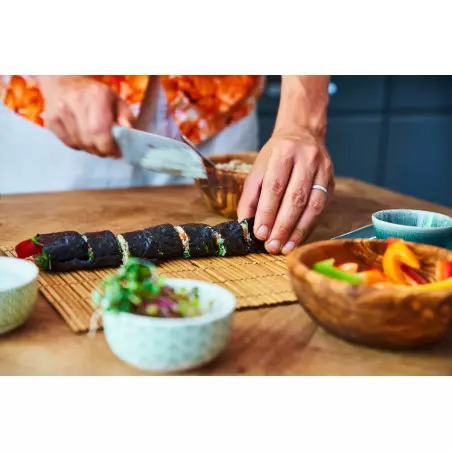
All the ingredients will be placed on the nori sheet in a horizontal line so that if you cut the roll at any point, you will get an identical slice section. Start with the wet ingredients (pâté, avocado, marinated salad) and position a line of this ingredient along the sheet.
Then place the other ingredients you wish to include, always in a line along your sheet.
Get ready to roll! Use your fingers to moisten the edge of the sheet farthest from you with pure water. This will help seal the roll once you have finished rolling. The first roll is the most delicate part of the process. Lift the sushi mat with the nori sheet and the first lines of ingredients and bring the whole set over the last lines of ingredients while keeping it tight to complete the first roll.
At this point, release the mat, pull it forward while rolling the end of the nori sheet. When you lift the mat, make sure the sheet is tightly secured underneath so that you can finish the rolling.
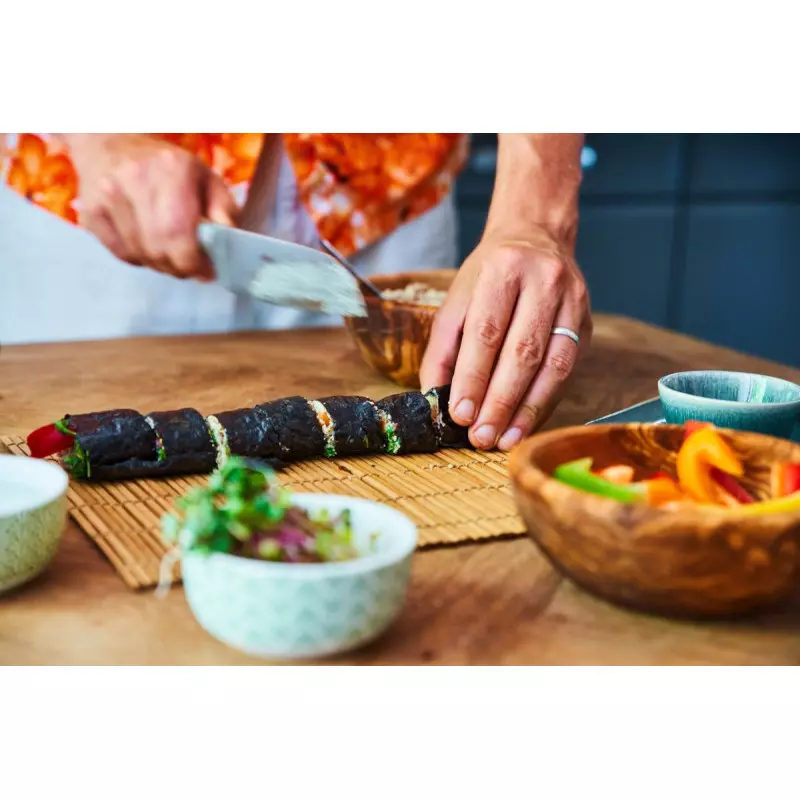
Let the roll rest for at least 5 to 10 minutes before cutting it. This will soften the nori sheet a bit and make it easier and cleaner to cut.
Preferably cut with a ceramic knife and serve !
A nori roll is a cylindrical preparation made by rolling ingredients inside a sheet of nori seaweed sealed with a bit of water. They resemble the nori rolls from Japanese restaurants (often called "sushi" although they are "makis") where they are frequently offered.
They make for an easy-to-prepare meal and allow for eating a wide variety of vegetables, including sprouts.
It is a festive dish that is appreciated: cut the roll into 6-8 slices to give it the appearance of sushi.
Allows you to make small appetizers: place a thin line of pâté inside, roll, slice, and dehydrate.
1 sheet of dehydrated nori
1/4 cup of nut/seed butter
Or 3 slices of avocado
Or 1/4 cup of marinated salad
1/4 cup of finely grated vegetables
1 shallot or 1 asparagus
2 "julienne" sticks of red bell pepper
1/2 cup of sprouted seeds
Other possible ingredients: young shoots, carrot, red kuri squash, rutabaga, black radish, white radish, red beet, turnip, burdock, artichoke, turmeric, horseradish, any vegetable in sticks. Seaweed tartare, "faux-tuna", veganaise, coconut flesh ...
Serve the nori rolls with your favorite sauce, such as a sesame/ginger "dipping" sauce (sesame oil, garlic, ginger, lemon juice, Tamari, Shoyu).
Other ideas :
- make nori chips by placing them in the dehydrator at 65°C
- to mix into a pesto or a soup
- as a treat for your pets
🎧 As well as our podcast Seaweed in Everyday Life ! !
🌿 Very low in calories, easy to carry, and much more economical than in the store.
Nori seaweed is naturally rich in proteins, fibers, vitamin A, and C.
With its protein content exceeding 27g per 100g, it is ideal for replacing meat and fish in a vegetarian/vegan diet. It is the algae that contains the most.
It also provides minerals such as iodine, potassium, calcium (as much as milk with 318mg/100g), zinc, and iron.
Nori seaweed is very low in calories and contains little fatty acid, making it an exceptionally healthy food.
Complete nutritional profile of the Center for the Study and Valorization of Algae (for 100g of dehydrated seaweed)
🌿 To learn more, check out our following articles and many others on our Algae category from our blog:
What are the 7 benefits of nori seaweed ?
We successfully obtained these algae after extensive research in partnership with BRETALG our French supplier. Indeed, the production of Nori seaweed is not sufficient in France to supply all European countries with nori sheets. Moreover, the technology required to produce these thin sheets is common in Asia but very rare here.
That's why BRETALG Harvesting fresh nori but unable to make dehydrated sheets.
🌿 The partner who supplies us from Asia has been carefully selected to meet the same specifications as BRETALG. The dehydrated nori sheets are imported from China.
The Western market is generally supplied with nori sheets whose color ranges from dark green to light green because it has little information about the different varieties and qualities.
There are three types of nori sheets: light green, dark green, and dark green-black. The darker the sheet, the better the quality in terms of texture, shape, and taste !
- Ingredients : Low-temperature dehydrated Nori seaweed, in sheets (Porphyra Yezoensis).
- DDM:
- Conservation: in a cool, dry place, away from light.
- Weight: 140 g (2.8 g per sheet).
Supreme quality. I started to order it regularly to my sushis or just to snack on them. I am so grateful to find this shop with high quality raw food. Thank you for your work.
Ces produits pourraient vous intéresser