


The gazpacho is one of the great classics of raw and summer cuisine. Fresh, hydrating, light, it naturally supports the body during periods of heat, digestive fatigue, or inflammatory overload.
In this original version, nasturtium enhances the recipe both in terms of taste and therapeutic benefits.
Often relegated to the status of a mere decorative flower, the nasturtium is actually a medicinal plant in its own right. Used for centuries to support immunity, the breathing and the vitality of the skin, it finds a noble place here in a vibrant, remineralizing, and deeply revitalizing recipe.
Why include nasturtium in your diet ?
Nasturtium (Tropaeolum majus) is an edible plant rich in natural sulfur compounds, similar to those found in garlic or black radish. These substances give it properties:
- antibacterial and antiviral
- respiratory fluidifiers
- purifying and detoxifying
- protective of the skin and mucous membranes
It is also interesting for supporting organizations. tired, exposed to pollution, recurrent winter infections, or chronic skin disorders.
Its peppery, slightly spicy taste is reminiscent of that of the watercress or the rocket, making it an ideal plant to enhance a raw recipe while boosting its therapeutic properties.
The benefits of a raw gazpacho in summer
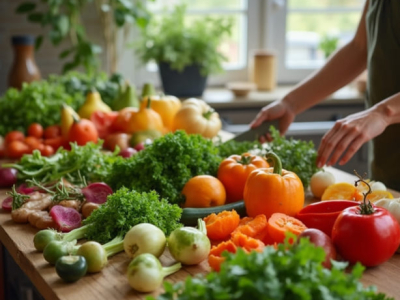
Gazpacho is one of the flagship recipes of theliving food because it combines several valuable effects:
- Deep hydration thanks to its richness in structured water
- Massive input in living enzymes
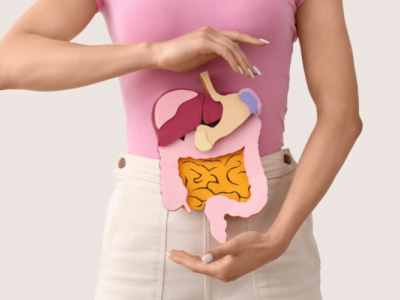
- Liver and digestive support
- Natural anti-inflammatory effect
- Gentle remineralization without burdening digestion
It is particularly recommended during periods of heat, detox, chronic fatigue, digestive troubles, or during a dietary transition towards more plant-based foods.
Ingredients for 4 people
- 12 nasturtium flowers
- A dozen nasturtium leaves
- 2 small fennel bulbs
- 1 green bell pepper
- 4 ripe tomatoes
- 1 red onion
- 1 apple
- 1 tablespoon of unpasteurized apple cider vinegar
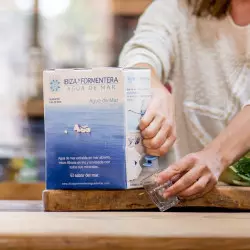
- 1 tablespoon of marine plasma (or filtered seawater)