




Green pea seeds, often called split peas, are a simple and inexpensive legume, too often confined to soup. For their protein content and their simplicity, they deserve a place in your daily diet. Let's explore together in this article everything these small seeds have to offer.
Share this article

Organic green pea seeds
€24.90 BACK IN STOCK 19 OF NOVEMBER
What are green pea seeds ?
Green pea seeds come from a plant called Pisum sativum, more commonly known as peas. Originally from Central Asia, this plant has been cultivated for millennia. The seeds are harvested at full maturity, then often dried to extend their shelf life. Unlike fresh peas that are consumed in various dishes, green pea seeds are more often used in their dried form, particularly in soups or stews.
Their green color comes from chlorophyll, the pigment of plants. These seeds are also known for their floury texture when cooked, making them an ideal ingredient in traditional recipes such as soups, purees, and stews. Whether in a rustic soup or a comforting stew, green pea seeds add a touch of flavor to classic dishes.
What do green pea seeds contain?
Here are the main elements of their composition:
- Fibers: about 15 g per serving.
- Good source of plant-based proteins : With approximately 25% protein, they are an excellent option for people following a vegetarian or vegan diet.
How to consume green pea seeds daily ?
Green pea seeds are extremely versatile and can be incorporated into your diet in various ways. Here are some suggestions for consuming them daily:
- In salad : Add them fresh or steamed to your salads for a crunchy touch. For a lighter option, mix them with fresh vegetables, herbs, and a light dressing.
- In soup : They are excellent in soups, providing a creamy texture when blended.
- Jumped : Sauté them with vegetables for a simple and healthy side dish.
- Mashed : Mix them with fresh herbs, garlic, and a bit of lemon juice to create a flavorful dip. It can accompany many dishes or be enjoyed on its own with a drizzle of olive oil.

What nutrients are found in green pea seeds ?
Here is an overview of their composition:
- Proteins : Approximately 25% of their dry weight, they are an excellent source of protein for people who avoid animal products.
- Fibers: nearly 15 g per serving.
- The detailed vitamin and mineral composition is in the Ciqual table.
Easy recipes with green pea seeds
Here is a raw recipe based on seeds of fresh green peas, where they are used without cooking to retain all their freshness and natural crunchiness. These recipes based on green pea seeds provide a crunchy texture for refreshing dishes like salads or dips.
Crunchy salad with green pea seeds, radishes, and lemon dressing
Ingredients:
- 200 g of sprouted green pea seeds
- 1 bunch of radishes, sliced into thin rounds
- 1 cucumber, diced into small pieces
- 1 small shallot finely minced
- 1 handful of fresh mint or coriander leaves
- 50 g of crumbled feta (optional)
For the dressing:
- The juice of a lemon
- 2 tablespoons of olive oil
- 1 teaspoon of mustard from Dijon
- Salt and pepper to taste
Instructions:
- Prepare the vegetables : In a large bowl, mix the sprouted green pea seeds, radish slices, diced cucumber, and sliced shallot. Add the mint or coriander leaves.
- Prepare the vinaigrette : In a small bowl, mix the lemon juice, olive oil, Dijon mustard, salt, and pepper. Whisk well to emulsify the dressing.
- Assemble the salad : Pour the dressing over the vegetables and sprouts, then gently mix to thoroughly coat all the ingredients.
- Garnish : If you are using feta, crumble it on top of the salad just before serving to add a touch of creaminess.
This crunchy salad highlights sprouted green peas, full of freshness. Their crunchy texture pairs wonderfully with spicy radishes, sweet cucumber, and tangy vinaigrette. A perfect dish for a light appetizer or a crunchy side dish.
How to grow and harvest green pea seeds ?
Here is how you can germinate some green pea seeds with ourEasygreen Sol sprouter from Biovie :
Germination steps with the Easygreen Sol:
- Prepare the seeds : Rinse green pea seeds, then arrange them in a thin layer on the germination tray. Use the provided strips to create up to 4 compartments if you wish to stagger the sowing and harvest over several days.
- Fill the tank : Use clear and filtered water. If you wish to enrich the water, you can add a small amount of seawater for a mineral boost. Make sure to fill the reservoir properly to ensure automatic irrigation.
- Choose the timer : Use the cork 1 for normal watering, or the cork 7 for more spaced-out watering. These caps ensure that the sprouter delivers the right amount of water needed to regularly water the seeds, without excess.
- Close the lid : The sprouter will take care of automatic aeration and watering. Place a container under the sprouter (about 40 cm lower) to collect the drained water.
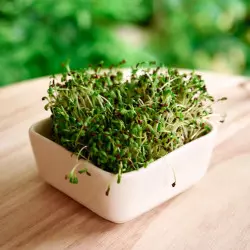
- Harvest : After about 3 days, you can come back to harvest the sprouted green peas !
The full range Sprouted seeds
Biovie offers 24 varieties of organic sprouting seeds, produced since 1896 by our Italian supplier Geo Bavicchi, and every batch is tested before it goes on sale (germination rate above 95% required). Radish, fenugreek, sunflower and alfalfa sprout the fastest and most easily for beginners, in 3 to 5 days on a windowsill. To discover several varieties without making a mistake, the packs (The 3 Radishes, The Essentials, The Pep's Seeds...) are a good starting point, before choosing your varieties individually. The range also covers microgreen seeds to grow on a substrate, and sprouters to get started without unnecessary equipment., 46 products
Discover the full range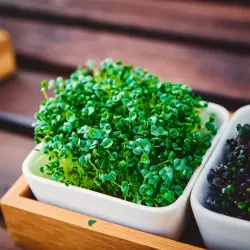
Conclusion
Green pea seeds are a true nutritional gem not to be overlooked in your diet. Rich in nutrients and easy to grow, they can be consumed in multiple ways daily. Whether in salads, soups, or as a side dish, they add a touch of freshness to your meals.


