







When your body speaks, it deserves to be heard.
Hot flashes affect between 70 and 75% of women during menopause and last an average of 7.4 years. If you are reading this article, there is a good chance that you are among those who experience that sudden wave that rises, that flush that overwhelms you without warning, that sensation of intense heat that can occur at any time of the day... or night.
I have wanted to write this article for a long time. Because I have talked about it so much with women in my community, friends, clients. And what consistently comes up is this feeling of being helpless in the face of something we don't really understand. We are told "it's hormonal, it's normal," and we are left to deal with it on our own.
And yet... understanding what is really happening in our body is already regaining a bit of power. It's moving from the position of someone who endures to someone who acts. This is exactly the approach we have been advocating at Biovie for 18 years: giving you the tools to take care of yourself consciously.

Why Your Body Overreacts: The Real Explanation of Hot Flashes
For a long time, it was simply said that the hot flashes during menopause were due to the decrease in estrogen. That's true, but it's incomplete. And this overly simplistic explanation doesn't really help you understand the cause of hot flashes.
The neurological mechanism behind hot flashes
Here is what actually happens. In your brain, specifically in an area called the hypothalamus (which regulates your body's temperature), there are very special nerve cells called KNDy neurons. Imagine them as the guardians of your internal thermostat.
When your estrogen levels drop during the hormonal transition, these little guardians lose their bearings. They become hypersensitive and overreact to the slightest temperature change. Your body believes it is too hot when it is not, and it triggers the whole process to "cool you down": vasodilation, sweating, increased heart rate...
It's as if your thermostat was malfunctioning and went from 20°C to 28°C for no apparent reason. Your body reacts to this false alarm, and you experience a hot flash.
This understanding changes everything. Because it shows us that the problem is not only hormonal but also neurological. And that there are therefore several possible levers for action to a natural treatment for menopause.
Perimenopause, menopause, postmenopause: where are you in the process?
Many women come in about hot flashes thinking they're "in menopause," when they aren't there yet. The distinction isn't just a matter of vocabulary: it explains why symptoms change over time, and why they eventually ease off.
Perimenopause is the transition phase, and it's almost always the most uncomfortable one. Periods are still happening but become irregular - shorter cycles, then longer ones, heavy bleeding, months with no period at all. Oestrogen doesn't decline steadily: it fluctuates, sometimes sharply, and it's these fluctuations, more than the level itself, that trigger hot flashes. This phase lasts four years on average, sometimes longer.
Menopause proper can only be confirmed after the fact: it's established once twelve consecutive months have passed without a period. The average age is around 51 in France. Hormone levels then stabilise at a low point - which, paradoxically, often comes with a lull in the most erratic symptoms.
Postmenopause refers to all the years that follow. Hot flashes gradually become less frequent for most women, even though a minority keep experiencing them for a long time. Other concerns take over at this point, particularly bone health, and call for different attention.
Knowing where you stand changes how you read things: in perimenopause, irregularity is the rule, not a sign that something is wrong. It's a passage, much like puberty was - gradual, personal, and normal.
Mind-body approaches, as a complement
Alongside diet, several practices are regularly mentioned by women going through this period. Acupuncture, sophrology and cardiac coherence breathing have been studied with mixed results, but they converge on one point: they help you cope better with episodes, more than they eliminate them. That's already considerable when nights are broken up, and none of it competes with medical follow-up.
What can trigger or amplify your hot flashes
Now that you understand the mechanism, let's talk about the triggers. Because if your KNDy neurons are already sensitive, certain situations will make them react even more strongly.
Stress comes at the top of the list. And it makes sense when you think about it: the Stress activates our entire nervous system, including those famous neurons. I have noticed in myself and in many women that periods of emotional or professional tension significantly intensify the episodes.
Nutrition also plays a major role. Alcohol, spicy foods, very hot drinks, coffee... anything that raises internal temperature can act as a trigger. Conversely, a diet that supports hormonal balance can make a real difference.
Why do I get hot flashes as soon as I eat ? This is a common question. Some foods high in fast sugars can cause glycemic spikes, creating that sensation of warmth that rises just after a meal. The liver, overloaded by difficult digestion, can also amplify the phenomenon. That's why good digestion is fundamental – I will come back to this.
Ambient heat, obviously. Summer, overheated rooms, clothes that are too tight or synthetic...
Lack of sleep and fatigue aggravate the sensitivity of your nervous system.
Simply identifying your own triggers already gives you a considerable advantage.
How long do hot flashes last ?
It's a question that comes up often, and I understand why. When we're experiencing something uncomfortable, we want to know when it will stop.
Recent studies provide us with more precise figures than before. On average, hot flashes last 7.4 years. But this average hides a great variability: some women will only experience it for a few months, while others for more than ten years. It is estimated that about 17.2 million women in France are affected during their lifetime.
What is important to remember about the dangers of hot flashes : they are not dangerous in themselves. They are uncomfortable, sometimes very socially awkward, they can disrupt sleep... but they do not jeopardize your health.
That said, if your hot flashes are particularly intense, very frequent, or accompanied by other unusual symptoms, talk to your doctor. Sometimes, hot flashes can be related to causes other than menopause.hot flashes without menopause): certain medications, thyroid problems, a sensation of heat in the body without fever which may have other origins...
Night sweats: when the night becomes complicated
I want to take a moment to talk specifically about the night sweats, because they deserve special attention.
Waking up drenched in sweat in the middle of the night, having to change pajamas, flip the pillow, push away the duvet then pull it back... and repeat several times. The night sweats can really undermine the quality of your sleep, and therefore your overall quality of life.
The FatigueIntense related to hot flashes accumulates, irritability sets in, concentration difficulties appear... all of this is connected. And it's a vicious circle: lack of sleep increases stress, which increases hot flashes, which disrupt sleep...
The good news is that the natural solutions we will explore together also have an effect on the treatment of hot flashes and night sweats.
Natural solutions that really make a difference
Let's now move on to what probably interests you the most: how to stop menopause hot flashes Naturally ?
Plants allied with menopause
Some plants have proven their worth for generations in supporting women through this transition. Let's take a look at the most effective ones for a natural treatment for menopause.
Sage is probably the most well-known. It acts on the regulation of perspiration and has estrogen-like properties that can help gently rebalance the system. In herbal tea for hot flashes or additionally, the sage for hot flashes remains a safe bet.
The red clover is rich in isoflavones, those famous phytoestrogens that gently mimic the action of estrogen in your body. It can help reduce the intensity and frequency of hot flashes.
Black cohosh (or cimicifuga) is widely used in North America. It is believed to act directly on the neurons involved in thermoregulation.
Lemon balm, chamomile, and verbena are gentler but just as valuable, especially for promoting relaxation and better sleep.
Nutrition as the foundation of natural treatment
It is a subject that is particularly close to my heart. Because what we put on our plate profoundly influences our hormonal balance.
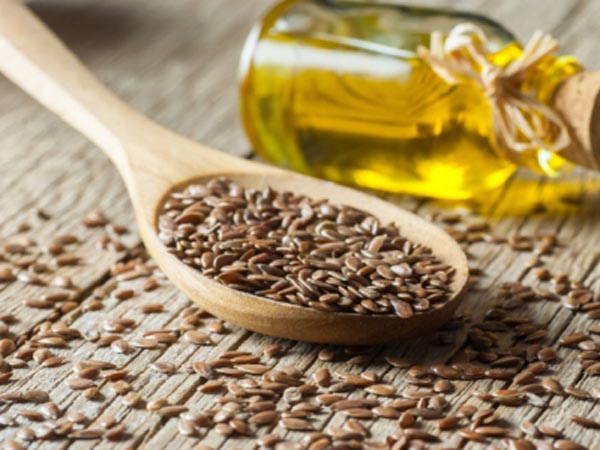
Dietary phytoestrogens can really make a difference. Flaxseeds are particularly interesting: rich in lignans, they provide quality phytoestrogens. One to two tablespoons of freshly ground flaxseeds each morning can be an excellent habit. At Biovie, we offerorganic linseed oil which you can easily incorporate into your smoothies, porridges, or salads.
Algae are also valuable allies. Rich in minerals and trace elements, they support the overall balance of the body. The organic spirulina In particular, with its exceptional richness in nutrients (iron, B vitamins, antioxidants), it can help maintain your vitality during this transition period. As explained in our article on the benefits of spirulina, this microalgae is particularly interesting for women who suffer from iron deficiencies – a common phenomenon during menopause.
Cruciferous vegetables (broccoli, cabbage, cauliflower) contribute to the proper metabolism of estrogens.
Foods rich in omega-3 (Small fatty fish, chia seeds, nuts) support membrane fluidity and may help reduce inflammation.
The Often Overlooked Role of Digestion
It's something that is rarely discussed about hot flashes, and yet... the link between liver and hot flashes is real.
If your digestion is disrupted, your body will have more difficulty properly metabolizing hormones and absorbing the nutrients it needs to balance itself. An overburdened liver, an unbalanced intestine, and the whole system struggles.
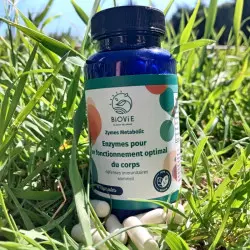
The digestive enzymes can be of great help in optimizing the assimilation of your meals. At Biovie, we have developed complexes ofAssimil digestive enzymes and ofmetabolic enzymes precisely to support the organization in these essential processes. As I explain in our article on the role of enzymes in digestion, these metabolic auxiliaries are fundamental for the proper assimilation of nutrients.