










Hemp seeds are small, nutty-tasting seeds widely used in cooking. Derived from the hemp plant, which belongs to the Cannabaceae family, it is often mistakenly associated with cannabis. Let's discover together their composition, their uses in cooking and the precautions to know.
What is the composition of hemp seeds ?
Here is the composition of hemp seeds in a serving of 100 g According to the USDA stands for the United States Department of Agriculture. (United States Department of Agriculture):
- Calories: 553 kcal
- Proteins: 31.56 g
- Lipids: 48.75 g
- Saturated fatty acids: 4.579 g
- Monounsaturated fatty acids: 5.272 g
- Polyunsaturated fatty acids: 38.297 g
- Carbohydrates: 9.75 g
- Dietary fiber: 4 g
- Sugars: 2.63 g
- Vitamins: Vitamin E: 90 mg, Vitamin B1 (thiamine): 1.275 mg, Vitamin B3 (niacin): 8.95 mg, Vitamin B6: 0.6 mg
- Minerals: magnesium: 700 mg, potassium: 1400 mg, calcium: 70 mg, iron: 7.95 mg, zinc: 7.9 mg
Please note that these values may vary slightly depending on the variety of hemp seeds.

What are the main nutrients of hemp seeds ?
Here are the main nutrients of hemp seeds:
Proteins: Hemp seeds contain plant proteins, with all the essential amino acids (31.56 g per 100 g according to the USDA).
Essential fatty acids: Hemp seeds contain omega-3 (alpha-linolenic acid) and omega-6.
Fibers: Whole hemp seeds contain fiber (the content per 100 g is given on the product sheet); start with small amounts if you are not used to them.
Vitamins and minerals: Hemp seeds contain vitamins (vitamin E, B vitamins) and minerals (magnesium, potassium, iron, phosphorus); the amounts per 100 g are given in the table above.
Vitamin E and phytosterols: Hemp seeds naturally contain vitamin E and phytosterols; the precise content is given in the nutrition table of the product.
Share this article
How to consume hemp seeds ?
When it comes to consuming hemp seeds, you are spoiled for choice! These small, nutty-tasting seeds offer numerous possibilities in the kitchen and can be incorporated into your diet in various ways.
The first position is awarded to the shelled hemp seeds (the outer shell of the hemp seeds is removed), this is the most commonly sold form today. They are versatile: you can incorporate them into various recipes such as bread, cookies, homemade energy bars, or granola.
If you are a fan of raw food, you can consume them as they are in the form of raw seeds or sprouted. They have a slightly nutty flavor and a crunchy texture. They sprout easily and can be consumed after 5 days.
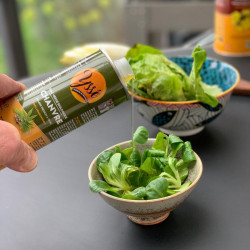
Otherwise, if you want to season your salads or cook your vegetables with an oil, you can press these seeds to obtain oil, or simply buy "the"hemp oil organic virgin All ready. Be careful not to heat hemp oil to high temperatures, as this can alter its properties.
The full range Plant-based oils and spices
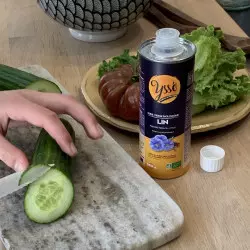
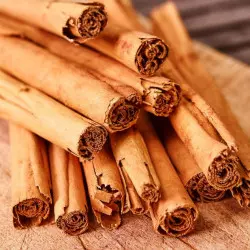
First cold-pressed virgin oils (camelina, flax, hemp) and organic spices dried below 42 °C make up this range: turmeric, ginger, Ceylon cinnamon (lower in coumarin than the Cassia sold commercially) and Bourbon vanilla. In cooking, turmeric pairs well with black pepper and a fat. Camelina or flax: camelina keeps better, while flax, with its stronger taste, oxidises faster once opened., 12 products
There are also other ways to consume hemp seeds that are less common, such as, for example, in the form of hemp seed flour which is obtained by grinding the seeds, or by plant-based milk which is obtained by mixing these seeds with water, then the mixture is filtered to obtain a creamy hemp milk.
How much hemp seed should be consumed per day ?
Without overdosing, the recommended quantity for these seeds is 1 to 3 tablespoons per day, the equivalent of 20 to 40 grams of hemp seeds.
The advice we can give you if you are not used to consuming this seed is to start eating it in small doses. For example, you can consume a small teaspoon per day and then gradually increase the dose if you do not have any allergic or digestive reactions to this seed.

- They can also decrease the risk of blood clot formation and the inflammations that cardiovascular diseases can cause.
Is there THC in hemp seeds ?
Contrary to popular belief, the variety of hemp cultivated contains only a very insignificant amount of THC (tetrahydrocannabinol) which must be estimated at 0.2%. THC is the psychoactive compound found in the cannabis plant, responsible for its psychotropic effects. Hemp seeds are derived from the industrial hemp plant, which is a variety of cannabis specifically cultivated for its low THC content. However, the reason why minimal traces of THC are present is due to the proximity of the seeds to other parts of the plant that may contain THC. But there is nothing alarming because even if these seeds are contaminated, they generally contain insignificant amounts and should not cause any hallucinogenic effect.

What are the side effects of hemp seeds ?
Hemp seeds are generally well tolerated and do not present side effects for the majority of people. However, they might be poorly tolerated by hypersensitive individuals or in cases of excessive consumption. For example, they could cause allergic reactions in hypersensitive people, which might manifest as itching, redness, skin rashes, and respiratory problems.
Hemp seeds contain fiber: overconsumption could lead to digestive issues such as intestinal gas or diarrhea. It is therefore important to consume them in moderation and to drink enough water to maintain proper hydration balance.
If you are undergoing treatment, consult a healthcare professional before incorporating hemp seeds into your diet, in order to avoid any undesirable interactions.
Where to buy hemp seeds ?
Hemp seeds can be purchased at various locations, depending on availability and local regulations. They are available at your online store. Biovie in the form of whole seeds "and" oil .. You can also find them in supermarkets and grocery stores that now offer a selection of hemp seed-based products, including the seeds themselves. Natural food stores and organic shops often offer a variety of high-quality organic products, including hemp seeds, which are most commonly shelled. In some regions, you can find hemp seeds from local producers or vendors at farmers' markets. This allows you to obtain fresh and local products while supporting the producers in your community.
FAQ on Hemp Seeds
Q : What are hemp seeds?
A : Hemp seeds are the small seeds of the hemp plant, belonging to the Cannabaceae family. They contain protein, essential fatty acids, fiber, vitamins and minerals.
Q : Do hemp seeds contain psychoactive substances?
A : No, hemp seeds do not contain THC, the psychoactive compound found in cannabis. They therefore do not cause any psychoactive effects.
Q : What nutrients are found in hemp seeds?
A : These seeds contain protein, lipids (omega-3 and omega-6) and vitamins such as B1, B3 and B6, as well as minerals like magnesium, phosphorus, potassium, iron and zinc.
Q : How can you eat hemp seeds?
A : Hemp seeds can be eaten raw or toasted, and added to smoothies, salads, yoghurts or soups. They can also be processed into hemp oil, hemp flour, or used to make hemp milk and cheese substitutes.
Q : Are hemp seeds suitable for all diets?
A : Yes, these small seeds suit paleo, ketogenic, vegetarian/vegan and raw-food diets.
Q : Are there any precautions to take when buying hemp seeds?
A : It's important to pay attention to the organic quality and origin of the seeds. Although the seeds themselves don't contain THC, they can come into contact with other parts of the plant during harvest. Make sure to choose products from reliable, organic sources.


